

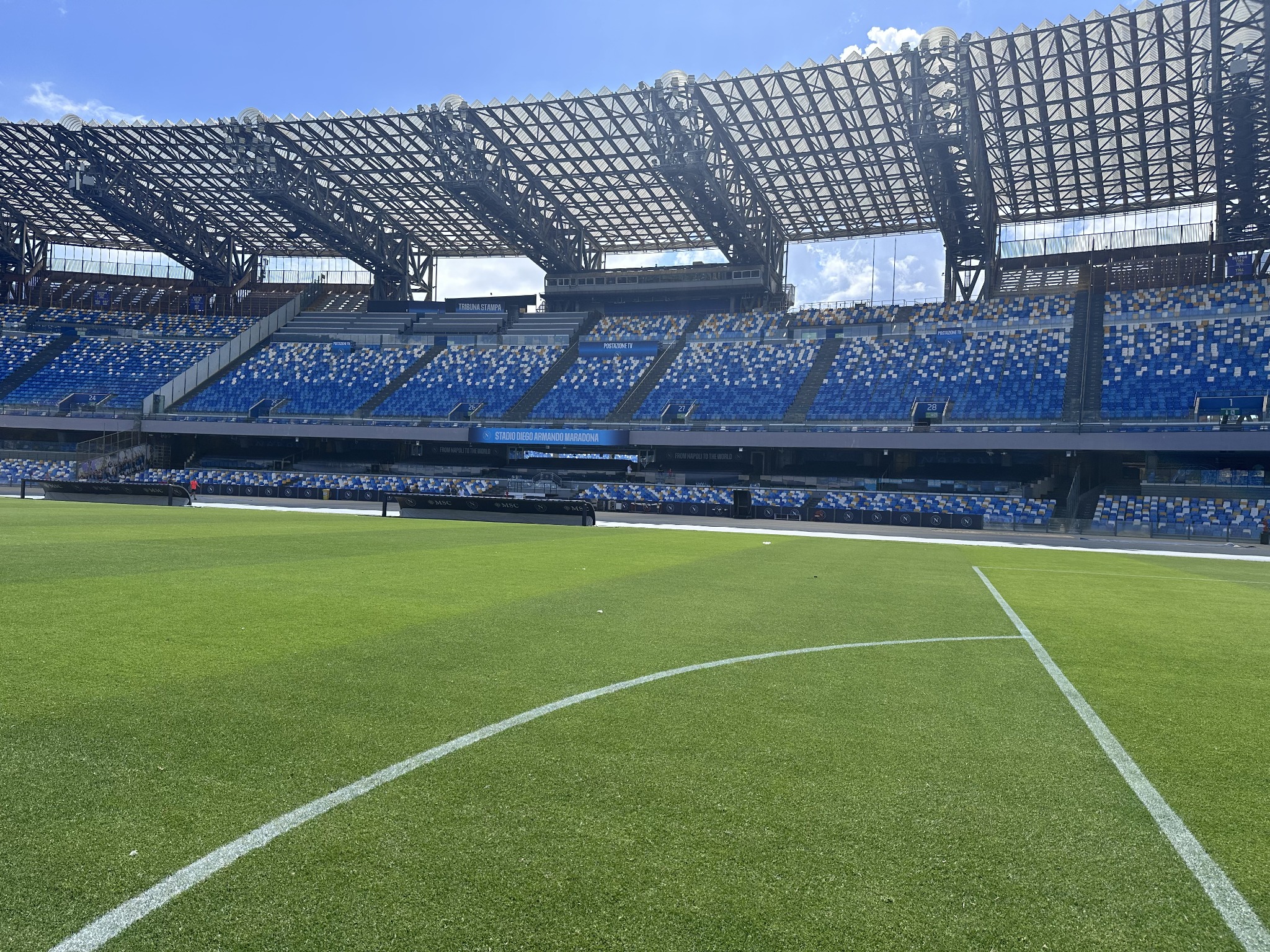
Welcome to

Green Assistant

The platform dedicated to managing
sports turfgrass

Platform access is restricted to approved users.

Predictive Models
for Turfgrass Diseases

Risk assessment and forecasts for major turfgrass diseases.

Planning
Maintenance Operations

Targeted scheduling of maintenance activities.

History and Reports

Data, activities, and trends over time.

Sharing
and Collaboration

Teams, roles, and information sharing.

Explore Green Assistant

Technical tools, scientific insights, and resources for sports turfgrass

Discover Green Assistant

Explore agronomic planning, turfgrass nutrition, and predictive models for sports turf management.

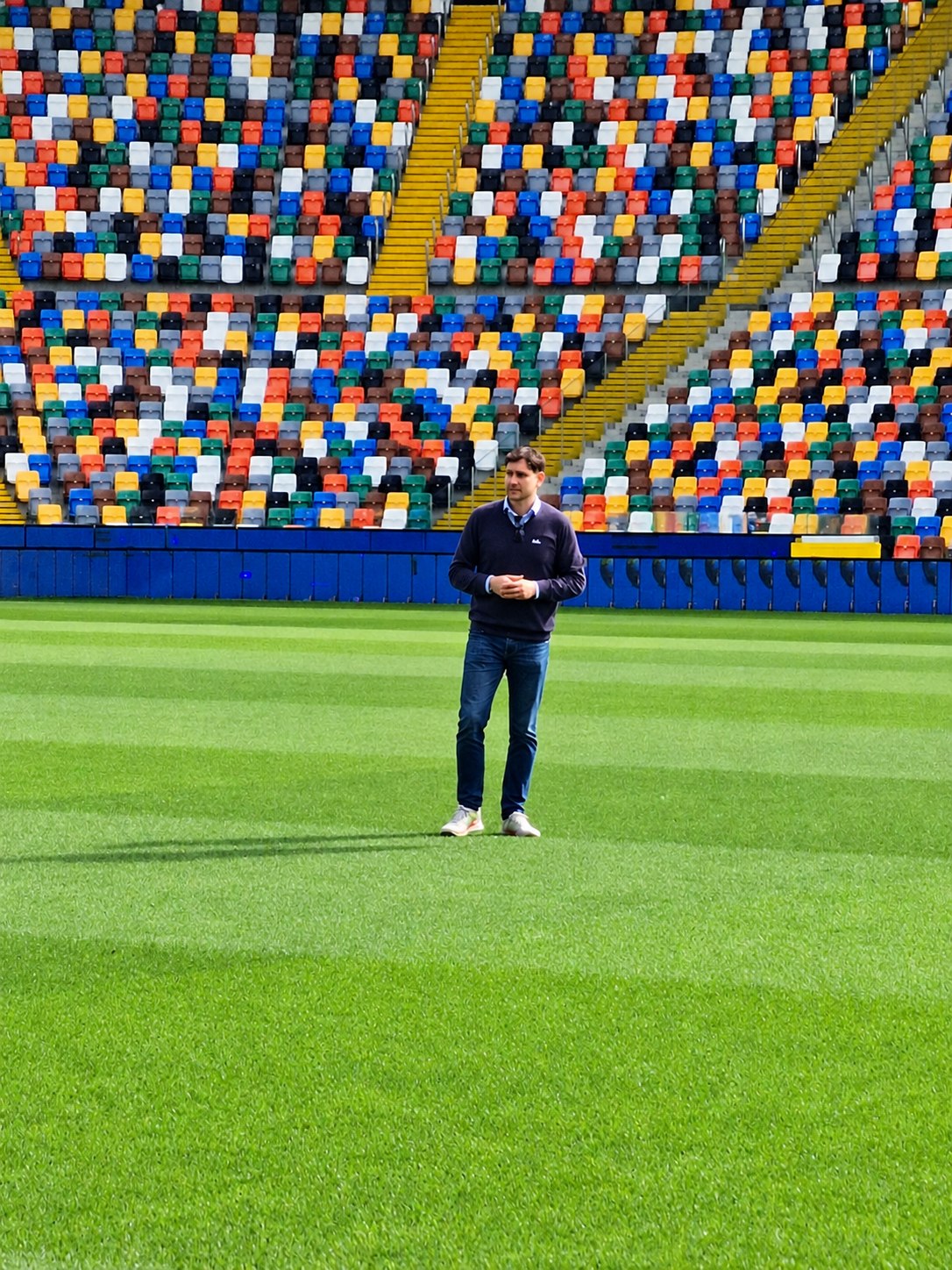
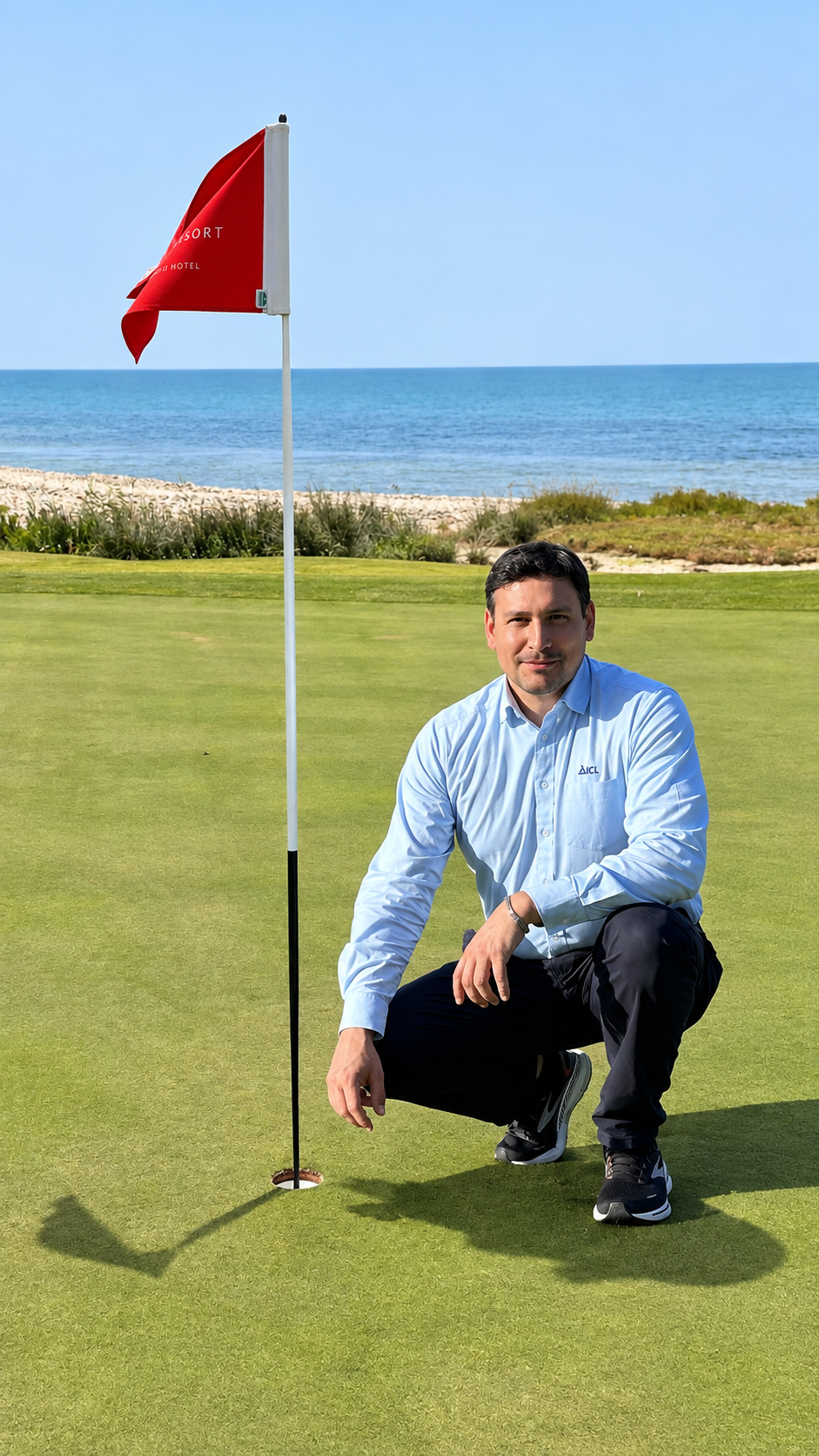
Giacomo Defanti standing on a sports field

A Note from the Author

Giacomo Defanti

Golf Technical Manager, ICL Italy | Creator of Green Assistant

For approximately 20 years, I have worked professionally with turfgrass, focusing on the technical management of golf courses and football pitches.

Green Assistant was created to combine practical field experience with the opportunities offered by technology, providing a simple, intuitive tool for planning turf management operations and supporting the day-to-day decisions of grounds staff and greenkeepers.

My goal is to make turfgrass management more efficient, organized, and informed.

Giacomo Defanti

Scientific Research

Two experimental studies on turfgrass physiology, stress tolerance, and agronomic management.

University Research · Academic Year 2004/2005

Effects of Traffic on Root Systems in Sports Turfgrass

Read the Abstract

The study examined the effects of simulated traffic on the root systems of sports turfgrass composed of Lolium perenne L. and Poa pratensis L., assessing the influence of rootzone construction and nitrogen fertilization.

The experiment compared native soil with soil amended with silica sand, two nitrogen fertilization rates (100 and 200 kg N/ha/year), and conditions with and without simulated traffic. Root length density, root mass density, and mean root diameter were assessed at three depths: 0–3, 3–8, and 8–15 cm.

The results showed a significant reduction in root length density following traffic, particularly in the upper soil layers, and an increase in mean root diameter. Rootzone construction influenced root development, with generally higher values in native soil than in amended soil. The study highlights the importance of managing traffic and rootzone properties in sports turfgrass.

Master’s Thesis · Academic Year 2007/2008

Morphogenetic Characteristics of Hybrids Poa pratensis (L.) × Poa arachnifera (Torr.) for Turfgrass Establishment

Read the Abstract

The study assessed how hybrids resulting from a cross between Poa pratensis and Poa arachnifera, adapted to the soil and climate conditions of the Veneto plain, compared with cultivars of Poa pratensis and Festuca arundinacea.

Color, density, uniformity, leaf texture, rhizome dry weight, tiller number, thatch thickness, and incidence of diseases and weeds were assessed. Multispectral NDVI measurements and digital image analysis were also used to evaluate establishment rate. The study included two plot trials, with spring and autumn sowing.

The best overall summer performance was achieved by Festuca arundinacea. However, the hybrids, particularly Thermal Blue, showed greater tolerance to high temperatures and drought than cultivars of Poa pratensis. Hybrid establishment was slow, particularly after spring sowing, while autumn sowing promoted faster and more uniform coverage. The findings suggest using the hybrids under the conditions studied, preferably with autumn sowing and in mixtures with Festuca arundinacea.